
Understanding the Concept of Choice
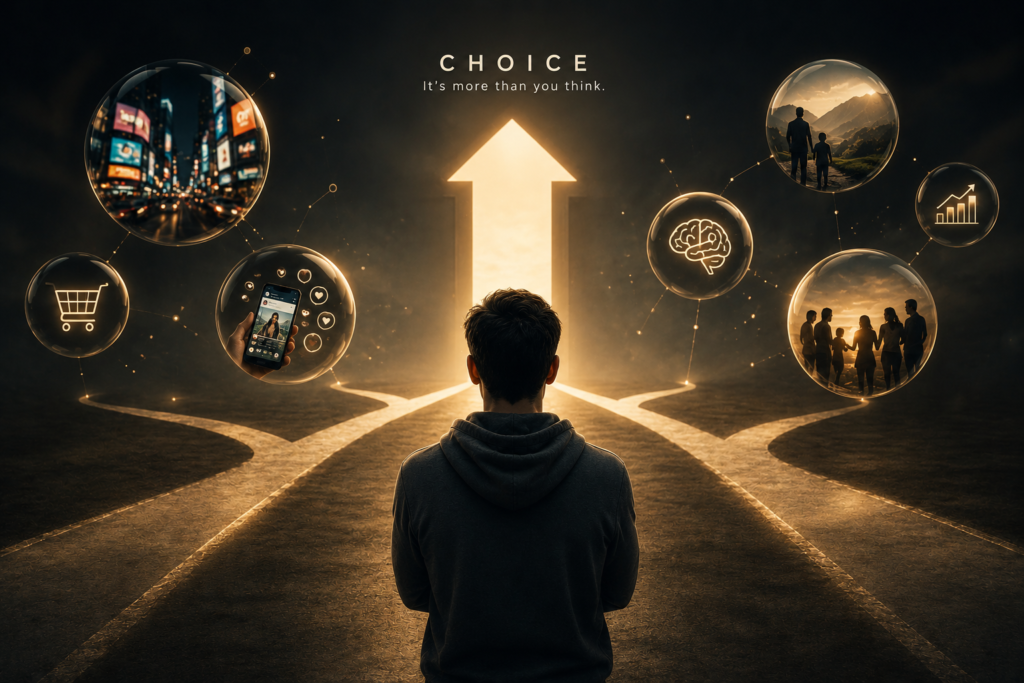
The concept of choice is a fundamental aspect of human existence, often manifesting in various forms throughout our lives. Philosophically, choice refers to the ability of individuals to select between different options, which is often tied to deeper discussions about free will and determinism. Free will implies that individuals have the power to make choices independent of any external influences, while determinism suggests that every decision is the result of preceding events, thus questioning the authenticity of our perceived autonomy.
Choices can be categorized into several types. Immediate choices are those that require fast decisions, often based on instinct or necessity, such as what to eat for lunch. On the other hand, reflective choices are more calculated and involve significant contemplation, such as career paths or life partners. Additionally, there are societal and moral choices that encompass ethical considerations, often influenced by external factors such as cultural norms and laws. These types of choices underscore the complexity surrounding our decision-making processes.
Our perception of choice significantly impacts how we navigate our lives. The belief in free will can motivate individuals to take responsibilities for their actions, fostering a sense of empowerment. Conversely, feelings of being trapped in predetermined circumstances may lead to a sense of helplessness. Understanding the philosophical dimensions of choice allows individuals to better comprehend their decision-making processes, recognizing the interplay between autonomy and influence that shapes their lives.
The Influence of External Factors on Decision-Making

Decision-making is often perceived as an individual endeavor, rooted in personal desires and preferences. However, various external factors significantly influence our choices, often leading us to question the autonomy we believe we possess. Societal expectations play a crucial role in shaping our decisions. From an early age, individuals are conditioned to conform to certain behaviors and choices deemed acceptable or desirable within their communities. This conditioning can manifest in numerous ways, from the professions we pursue to the lifestyles we lead.
Cultural norms further dictate what is considered appropriate, guiding our preferences and actions without our conscious awareness. For example, the expectation to marry by a certain age, take up specific careers, or adhere to particular social practices can often overshadow personal inclinations. These societal constructs create a framework within which individuals feel pressured to operate, leading them to make choices aligned with communal values rather than personal aspirations.
Moreover, peer influence is a potent force in decision-making. The desire for acceptance and belonging can prompt individuals to choose options that reflect their social circles rather than their true convictions. This phenomenon is particularly noticeable among adolescents, who are often swayed by their peers in areas such as fashion, music, and lifestyle choices. The implications of these influences extend beyond simple choices; they can lead to significant life decisions, including educational pursuits and career paths.
External pressures can also stem from media and advertising, which create unattainable standards that individuals may feel compelled to meet. The need to project a certain image or maintain a lifestyle curated by societal influencers can skew personal decision-making processes. As these external factors intertwine with individual choices, they highlight the complex interplay between personal autonomy and social conditioning, raising critical questions about the extent to which our decisions truly reflect our authentic selves.
The Role of Emotions in Choices

Emotions play a crucial role in the decision-making process, influencing not just our choices but also the rationale behind them. Both positive and negative emotions can significantly impact how we evaluate our options. When we experience heightened emotions, our ability to think rationally may be compromised, which can lead to impulsive decisions.
Positive emotions, such as excitement or happiness, often encourage risk-taking and exploration of new opportunities. When we feel good, we are more likely to believe in our judgment and the choices we make, sometimes overlooking potential downsides. Conversely, negative emotions—such as fear, anxiety, or sadness—can lead to avoidance of certain decisions or even paralysis by analysis. In such states, we may overly focus on potential failures rather than considering the broader context and potential benefits.
Understanding the role of emotions in our decision-making can be enhanced through the development of emotional intelligence. Emotional intelligence refers to our capacity to recognize, understand, and manage our emotions effectively. It involves being aware of how our feelings affect our thoughts and actions. For instance, by acknowledging the presence of fear when faced with a significant decision, an individual can take a step back, evaluate the situation more clearly, and avoid hasty choices driven purely by emotional responses.
A person with high emotional intelligence is better equipped to regulate their emotional responses, leading to more balanced decision-making. They are likely to consider both emotional insights and rational analysis, resulting in a synthesis that enriches their choices. As such, fostering emotional intelligence within ourselves can lead to more conscious decisions, allowing for a deeper understanding of what truly drives our choices.
Cognitive Biases and Their Impact on Choices
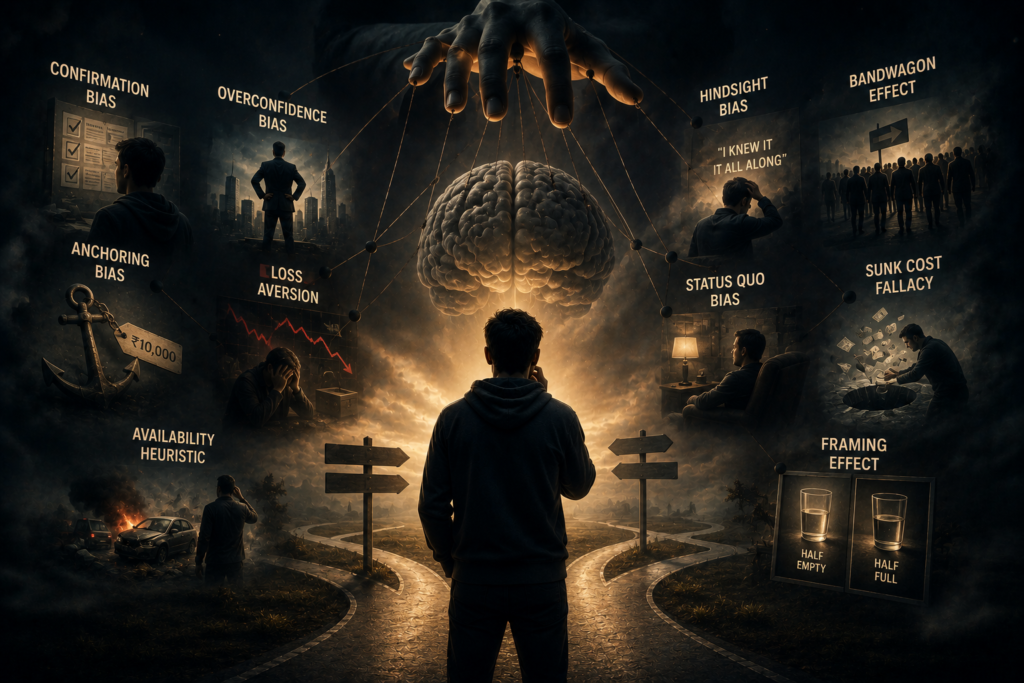
Cognitive biases play a significant role in shaping our decision-making processes, often leading us to feel as though we are making independent choices when, in reality, our judgments are skewed. One common bias is confirmation bias, which occurs when individuals favour information that confirms their existing beliefs while disregarding contradictory evidence. For instance, a person who believes in a specific political ideology may only seek news sources that support their views, thus reinforcing their perspective without considering alternative viewpoints.
Another influential cognitive bias is the anchoring effect. This bias occurs when individuals rely too heavily on the first piece of information encountered when making decisions. For example, when a person is given an initial price for a product, this price serves as an anchor, influencing their perception of the product’s value. If the original price is high, a subsequent discount may seem more appealing, even if the final price is still outside their budget. This bias highlights how our initial encounters with information can distort our sense of what constitutes a fair choice.
The availability heuristic also significantly impacts decision-making. This mental shortcut leads individuals to judge the likelihood of events based on how easily they can recall examples from memory. For instance, after hearing about several recent airplane accidents, a person may overestimate the dangers of flying and choose to drive instead, despite statistical evidence indicating that flying is generally safer. The ease with which information comes to mind can create a sense of immediacy that unduly influences our choices.
By acknowledging these cognitive biases—confirmation bias, anchoring effect, and the availability heuristic—individuals can become more aware of the factors that may compromise their decision-making. Understanding these biases not only promotes more conscious choices but also encourages a critical examination of the influences that may shape our beliefs and preferences.
The Illusion of Choice in Consumer Behaviour
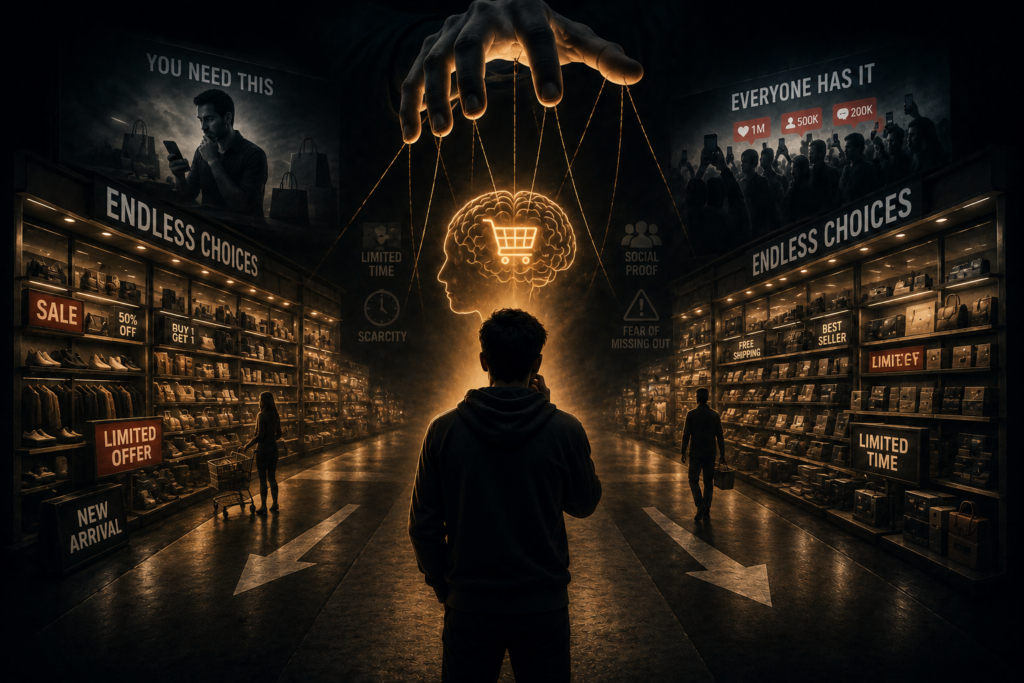
In today’s marketplace, consumers are frequently presented with a multitude of options, leading many to believe that they are, in fact, exercising their freedom of choice. However, an analysis of marketing and advertising strategies reveals that what appears to be a wide array of choices may often be illusory. Brands utilize sophisticated tactics designed to manipulate perceived options, ultimately shaping consumer behavior and contributing to consumption patterns that reflect these manipulations.
One common strategy employed by marketers is the practice of “choice architecture.” This term refers to the way choices are organized and presented to consumers. By structuring options in a certain manner, brands can subtly influence the decisions that individuals make. For example, by offering a default option—such as an automatic subscription—companies can sway consumers toward that choice, even if it may not align with their initial preferences. Such tactics create an illusion that the consumer is fully in control, while in reality, their choices have been carefully curated.
Moreover, the abundance of choices in consumer goods often leads to confusion and decision fatigue. When faced with too many options, individuals may opt for convenience over careful consideration, leading them to select choices that brands have lessened to a few favorable options. This not only simplifies the decision-making process but also reinforces a cycle where consumers unknowingly favor specific brands, entrenching their loyalty even further.
The psychological impact of perceived choice cannot be understated. Consumers often equate a greater number of options with increased autonomy and satisfaction. However, studies indicate that this assumption might not hold true; instead, too many choices can lead to anxiety and regret, undermining the very freedom that consumers believe they are exercising. As brands continue to refine their marketing techniques, understanding the illusion of choice becomes crucial, allowing consumers to navigate their shopping experiences with greater awareness and intention.
Philosophical Perspectives on Choice
The concept of choice has long been a focal point of philosophical inquiry, with various schools of thought offering distinct interpretations of its nature and implications for human freedom. Existentialist philosophers, for example, emphasize the individual’s role in defining their own existence through choices. Figures such as Jean-Paul Sartre argued that we are condemned to be free, meaning we bear the full responsibility of our decisions. This perspective posits that each choice reflects personal values and beliefs, instilling a profound sense of agency in individuals.
Conversely, compatibilism presents a more nuanced view of choice and determinism. Thinkers like David Hume and more contemporary philosophers contend that free will can coexist with a deterministic universe. According to this perspective, choices might be influenced by predetermined factors—such as genetics, environment, and upbringing—yet individuals can still exercise autonomy within those constraints. Compatibilists argue that understanding the influences on our choices can enhance our accountability rather than diminish it.
Furthermore, the implications of these philosophical views extend beyond abstract thought, directly impacting moral and ethical discussions surrounding responsibility and justice. For instance, if our choices are determined by factors beyond our control, this could challenge traditional notions of guilt and culpability. Alternatively, if one subscribes to the existentialist viewpoint, the emphasis on personal agency could reinforce the importance of individual accountability.
As we delve deeper into the nature of choice, the theories of various scholars illuminate the complexities inherent in the decision-making process. By examining these philosophical frameworks, we can better understand the interplay between choice, freedom, and responsibility that shapes our lives. This discourse not only enriches academic exploration but also encourages self-reflection on the nature of our personal decisions and the factors influencing them.
The Psychological Effects of Feeling Powerless in Choices
Individuals often experience complex psychological ramifications when they perceive their choices as limited or controlled by external forces. This sense of powerlessness can cultivate feelings of helplessness and anxiety. The inability to make autonomous decisions can lead to a variety of emotional states that profoundly affect one’s mental well-being.
One of the most significant consequences of feeling that our decisions are not genuinely ours is the development of a sense of helplessness. When individuals believe that their choices are primarily dictated by societal norms, peer pressure, or an overarching system, they may feel disengaged from their own lives. This disconnection can foster a lack of confidence in one’s own abilities to make sound decisions, further perpetuating the cycle of helplessness.
Moreover, anxiety often stems from this loss of agency. Individuals who struggle with the notion that their decisions are preordained may experience heightened stress levels, as they constantly wrestle with competing expectations. They may question their paths, leading to an overwhelming sense of indecision. This anxiety can even manifest physically, resulting in symptoms such as insomnia, fatigue, and concentration issues.
The impact on mental well-being is profound. The perception of limited choices can undermine an individual’s self-esteem and sense of self-efficacy. When individuals feel they are simply going along with the flow, they miss opportunities for personal growth and fulfillment. This can lead to a deeper existential crisis, as people grapple with the significance of their lives and choices.
In summary, the psychological effects of feeling powerless in one’s choices are significant. This sense of powerlessness can foster feelings of helplessness and anxiety, ultimately diminishing one’s mental well-being. Recognizing and addressing these feelings is critical in reclaiming a sense of agency in decision-making.
Empowering Yourself to Make Authentic Choices
Reclaiming personal agency in decision-making is essential for fostering a sense of authenticity and fulfillment in life. One effective strategy to achieve this is through the practice of mindfulness. Mindfulness encourages individuals to develop a deeper awareness of their thoughts and emotions, which can help in identifying when external influences are swaying their choices. By cultivating mindfulness, one can create a mental space to reflect on whether a decision aligns with personal values, or if it is a result of societal pressures.
Evaluating personal values is another crucial step in making authentic choices. Often, people override their own preferences and inclinations in favor of what they believe is expected of them. To counter this, it is beneficial to regularly assess which values are most important to you. Creating a list of core values can serve as a guide during decision-making processes, ensuring that choices are made based on personal beliefs rather than external expectations.
Furthermore, learning to recognize and resist external influences is key in the journey of self-empowerment. Individuals are constantly subjected to various social, cultural, and media-related pressures that can distort their sense of agency. By becoming aware of these influences, it becomes easier to question their validity and impact on one’s decisions. Engaging in critical thinking allows for a more discerning view of the options available, promoting decisions that reflect genuine preferences rather than those imposed by others.
Additionally, seeking support from trusted friends or mentors can provide a constructive outlet for discussing and evaluating choices. Conversations centered around potential decisions can lead to new insights and reinforce a commitment to authenticity. By employing these strategies—practicing mindfulness, evaluating values, and resisting external pressures—individuals can empower themselves to make choices that genuinely resonate with their true selves.
Conclusion: Reassessing Personal Autonomy in Choices
Throughout our exploration of decision-making, we have delved into the complexities surrounding the perception of choice and personal autonomy. The discussion has highlighted various factors that often control or manipulate our decisions, extending beyond mere individual preference. It is essential for individuals to understand the dual nature of choice: while we may believe our decisions stem from free will, many external influences can significantly shape and restrict these choices.
As we navigate through life, numerous elements such as societal norms, cultural expectations, and even psychological influences can lead us to believe we are exercising autonomy when, in reality, we may be conforming to standards set by others. Consequently, questioning the origins of our decisions becomes critical. Are we compelled to pursue specific career paths, lifestyles, or values because they resonate personally, or are they merely reflections of external pressures?
This introspective approach to reassessing our decision-making processes can foster greater awareness of the influences that cloud our judgment. By recognizing these factors, individuals can work towards reclaiming genuine autonomy in their choices. It’s vital to critically analyze and reflect on the motivations behind our decisions, thereby allowing for more informed choices that align with our authentic selves rather than external expectations. Ultimately, fostering this level of awareness not only enriches personal growth but empowers individuals to take ownership of their lives.
In conclusion, as we consider the nature of choice and autonomy, it is imperative to remain vigilant about the subtle forces at play in our decision-making. Encouraging mindfulness and self-reflection can facilitate a deeper understanding of our true desires, leading to more authentic and fulfilling choices in life.